Taj Mahal

Agra, Agra District, Uttar Pradesh Mughal funerary architecture; Islamicate garden tomb

Served from the stored corpus. Last scan Sep 29, 2026. Next scan Oct 29, 2026.

Photograph

Earliest republishable photograph in this record.
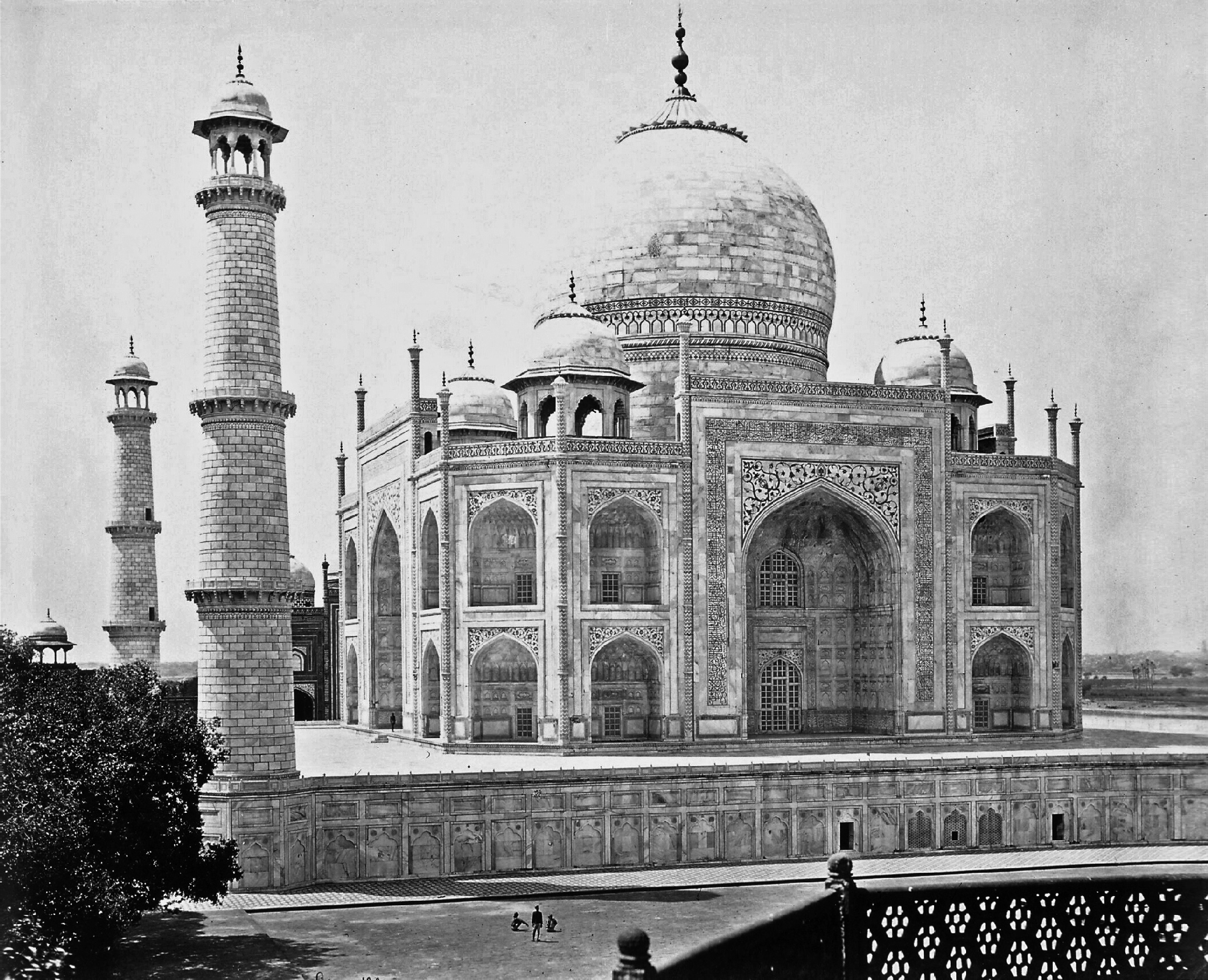
Albumen photograph from the 1860s by Samuel Bourne showing the Taj Mahal at Agra from the east.

East view, 1860s

Samuel Bourne photographed the Taj Mahal in the 1860s. This is the earliest photograph of the mausoleum stored here. Earlier painters’ views were not ingested.

1860s Samuel Bourne, 1860s. Public domain, via Wikimedia Commons. Source and license

View photograph at full size

What changed?

Each line keeps the confidence of its source. Conflicts are not collapsed.

  • Commercial photographic souvenir of the 1860s Bourne’s Agra photographs circulated widely as souvenirs. This record stores one dated frame as photographic evidence of the standing tomb, not as a construction date. 1860s photographic campaign · Documented fact · Medium confidence

Evidence summary

Counts are records in this corpus, including gaps.

1 Republishable photographs
0 Interior photographs
0 Diagrams
1 Documents

About the temple

The Taj Mahal stands on the Yamuna at Agra. Secondary accounts attribute it to Shah Jahan as the tomb of Mumtaz Mahal and place construction in the mid-seventeenth century. Samuel Bourne photographed the mausoleum extensively in the 1860s during his commercial career in India; his Agra views became widely circulated souvenirs. The earliest photograph stored here is Bourne’s east view, catalogued between 1860 and 1869. Earlier drawings and paintings are known and were not ingested.

Primary deity:

Secondary accounts place construction principally in the 1630s–1650s. That range is not checked against a transcribed farmān here. The stored photograph is from the 1860s.